


How to design a perfect musical fountain?
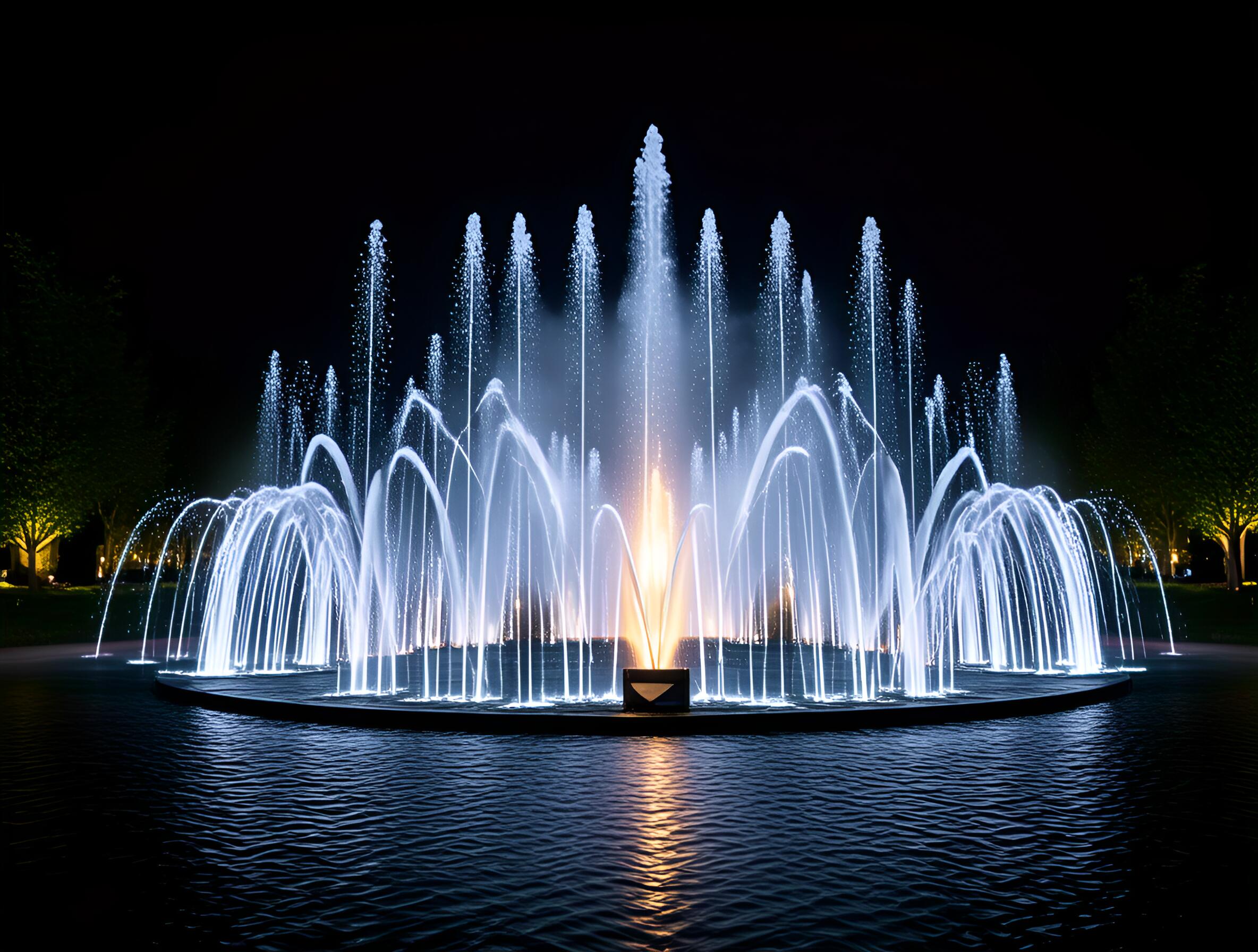
How to Design a Perfect Musical Fountain?
As a modern water feature art form that integrates water, light, and music, the musical fountain not only adds a unique visual and auditory feast to the city but also becomes a major attraction for tourist spots, commercial complexes, and urban squares. So, how do you design a musical fountain that is both breathtaking and capable of long-term stable operation?
I. Core Design Concepts of a Musical Fountain
The charm of a musical fountain stems not only from the dance of water and light but also from the fusion of art and technology behind it. A perfect design should follow these three core concepts:
1. Integration of Art and Technology
Water patterns, rhythm, lighting colors, and musical melody must be highly synchronized to make the fountain "dance." This relies on precise computer control systems that accurately translate artistic concepts into dynamic performances.
2. Harmonious Coexistence with the Environment
In classical architectural complexes, the design should highlight elegance and solemnity;
In modern commercial districts, it can emphasize a sense of technology and futurism.
This site-specific approach allows the fountain to become an extension of the environment rather than an isolated structure.
3. Audience Experience as the Center
The ultimate value of a fountain lies in the audience's experience. The design must accommodate multi-angle viewing, sound coverage, and lighting effects, ensuring that viewers are immersed no matter where they stand.
II. Key Technical Aspects of a Musical Fountain
1. Water Pump and Nozzle Configuration
Water pumps determine the spray force and height;
Nozzles shape the water columns, achieving effects such as straight, fan, spiral, and atomized sprays.
High-performance equipment enables rich performances while ensuring long-term stable operation.
2. Lighting System Design
Lighting is the visual soul of a musical fountain.
LED fixtures have become mainstream due to their energy efficiency, environmental friendliness, and rich colors;
Programming the lighting to respond to water flow and musical rhythm creates three-dimensional dynamic effects.
3. Music Analysis and Control System
Real-time analysis of pitch, rhythm, and volume via software;
Converting the data into actions for pumps, nozzles, and lighting, enabling the fountain to "dance to the music."
Advanced control systems can precisely capture emotional changes in the music, making the performance more expressive.
4. Energy-Efficient and Eco-Friendly Design
Using energy-saving pumps and recirculating water systems;
Incorporating renewable energy solutions such as solar power.
This approach reduces operating costs while aligning with sustainable development trends.
III. Innovation and Customization of Musical Fountains
1. Intelligence and Interactive Experience
Audiences can interact via mobile apps to control water patterns and lighting;
The system can automatically adjust spray effects based on environmental conditions (e.g., wind speed, temperature).
This interactive experience transforms the fountain from a "performer" into a "participant."
2. Customized Design
Every fountain project has unique site conditions and cultural requirements.
Incorporate locally characteristic music and architectural styles;
Integrate landmark elements to create a one-of-a-kind city icon.
Professional manufacturers, leveraging their customization experience, can deliver solutions that combine creativity with quality.
IV. How to Choose the Right Musical Fountain Company and Manufacturer
Selection Criteria:
Project Experience: Do they have proven cases and reference materials?
Technical Capability: Do they possess integrated capabilities in water, electricity, acoustics, and control systems?
Equipment Quality: Are the core components durable and stable?
After-Sales Service: Can they provide long-term maintenance and technical support?
An excellent fountain company can provide both preliminary creative design and ensure quality construction and ongoing maintenance.


